Claims Done Right Keep Cocoa Flowing and Cybersecurity Tight
- Insurance & Risk Insights

At 5am on 25 September 2023, a night shift worker at a cocoa processing plant in Banten, the westernmost province of Java island, Indonesia, saw flames coming from an exhaust vent. The pressing area, where hydraulic machines work on cocoa liquor, was aflame. He raised the alarm. Within minutes, a fire brigade was on the scene. But by the time the blaze was extinguished, two and a half hours later, all sixteen hydraulic presses were destroyed.
An assessment of the damage showed that hydraulic lines had burst, spraying oil across the area, which helped propagate the fire. Ultimately, the roof collapsed onto the production floor. The building would need to be demolished and rebuilt. Tonnes of stock, from raw materials to finished goods, were contaminated and unfit for use under food safety regulations.
The company that owned the plant produced cocoa butter, liquor and powder for both local and international chocolate manufacturers. It employed over 400 people and ran production around the clock. The pressing machines were necessary for the very first stage of production. Without them, the business could not continue. Which is where insurance stepped in.
In 2024, the global insurance industry paid out close to a trillion dollars in non-life claims. Life insurance added a further $965 billion. While these figures give an idea of the scale and importance of the industry, they don’t tell the story of what insurance actually is.
Because behind each claim is a moment when something went wrong. A business or a person who needed help. And a system in place for their protection.
Promises kept
“When I was a broker,” Minale says, “I always asked underwriters that were meeting with my significant clients, to bring someone from your claims department with you. When a claim occurs, it’s the relationship between the Insured, broker and claims that matters most. That’s the service they’ve bought.”
One of Minale’s priorities since joining TMHCC has been to move claims out of the back office and into a critical part of the client relationship. For example, TMHCC embeds a 24/7 dedicated response team for cyber-related claims to help insureds with critical decisions at the outset of a cyber event. The team’s goal is to try to help mitigate the insured’s loss and help them navigate through these types of events.
Chief Claims Officer at Tokio Marine HCC
“Hospitals are a good example of where a cyber event could be especially damaging,” explains Minale. “With critical patient records, scheduling, billing, all of it in systems they may no longer be able to access. It is imperative to try to get those systems back up in the shortest time possible. Attacks can occur at any time of the day, so it’s critical that we be prepared regardless of the time.
“During the COVID-19 pandemic, TMHCC had a number of business units that were handling abnormally high claim notifications. We are in a service business and when Cat events occur it’s imperative for our insureds to know that we have the resources available to handle their claims in a timely manner. At the end of the day that’s why they’re purchasing a policy from us.”
As Ryan explains, “Tokio Marine Kiln has stood together with clients at their time of need, from quickly sending millions of dollars in advance funds to hurricane-impacted neighbourhoods, to supporting clients and their brokers on complex losses from around the globe”.
“For TMK, with our specialty book,” Ryan says, “it is often our team’s experience, expertise and calm leadership which makes the greatest positive difference. It means never getting in the way but being decisive when quick decisions are needed, and empowering experts to do what they do best and ensuring they have the right tools to do so. Only with everyone working together, communicating and resolving issues quickly will our clients get back on their feet as fast as possible.”
Head of Claims at Tokio Marine Kiln
Pressing problems
The pressing machines were the critical problem. Only two manufacturers in the world produce equipment to the required specification. Both quoted a delivery time of 15 months. The policy covered a maximum indemnity period of 12 months. Every month beyond the policy limit was a loss the insured would carry without cover.
TMI assigned the loss adjuster, who immediately travelled with the insured to the manufacturer in the Netherlands to negotiate directly, with a view to reducing the lead time and the costs. Could the order be restructured? Fewer machines but with higher individual capacity, reducing delivery time and installation complexity? Could partial delivery bring one line back into production while the remainder followed? The manufacturer agreed. The restructured order brought the interruption period within the 12-month limit, and the business returned to production.
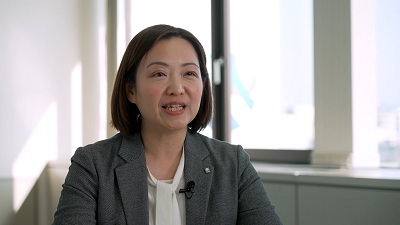
Head of Claims at PT Asuransi Tokio Marine Indonesia

“This is not just about paying the claim,” Ginting says. “We are there with the insured in their time of need. We are working on the problem alongside them. Getting them back to business is what matters most.”
Along the way, in order to meet the insured’s need for cashflow during the interruption period, TMI has made five interim payments over the 26 months the claim has been running, totalling over $60 million. The claim was the largest in TMI’s history since its founding in 1975. Every decision carried consequences for the company’s solvency margin and its standing with its reinsurers. All the while, the insured business has remained operational, thanks to the several interim payments provided.
The Banten claim required constant coordination. “Every one of the parties involved needs to be orchestrated,” Ginting says. “The reinsurers need regular updates. The insured needs to know the claim is moving. The forensic work needs to be complete before you can quantify the loss. And all of this is happening while the business is trying to understand whether it will survive.”
Emphasis on the how
Tokio Marine Group’s claims teams work in different markets and handle different lines of business. When making a claim our clients should feel that they have secured valued protection and will continue their relationship with us. A cyber-attack on a hospital in the United States, a factory fire in Indonesia and a London Market liability claim are very different problems. TMHCC, TMI and TMK have different operations. The general approach, however, is the same.
Communication to insureds and brokers during the claims process is critical. Helping an insured and/or their broker understand the basis for the decision on their claim helps to mitigate misunderstandings and potential contentious situations.
“The how is the kindness,” explains Ryan. “That’s the philosophy. With TMK, it is embedded in our culture and begins with recruiting individuals who believe in kindness. We aim to always be kind when dealing with our clients, and while this will not change the determination of a claim, it impacts how we act and how we communicate outcomes.”
“Insurance plays a critical role in the world economy and in our daily lives,” adds Minale. “Unfortunately, many times the public only hears the negative stories, while the positive aspects of insurance rarely get mentioned.”
Essential infrastructure
In Banten, the pressing area has been rebuilt. New machines are in place. The production lines are running. A global business with 400 employees lost everything overnight, but was able to recover. Therein lies the strength of insurance. It is the social infrastructure that is there for people in their times of need, with claims as the first contact on the path toward recovery.