Lowering Disaster Losses Through Financial Innovation: The Case for Resilience Bonds
- Social Issues & Advancing Society
- Resilience
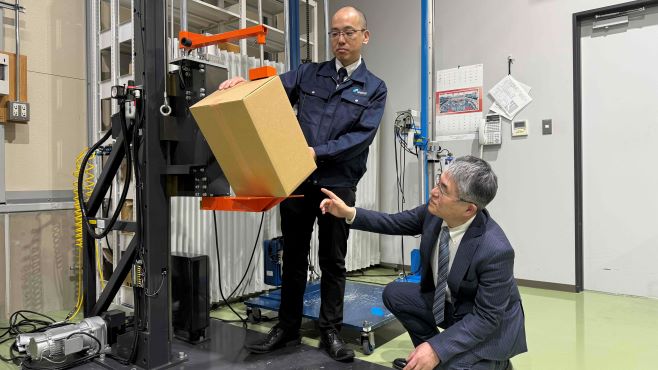
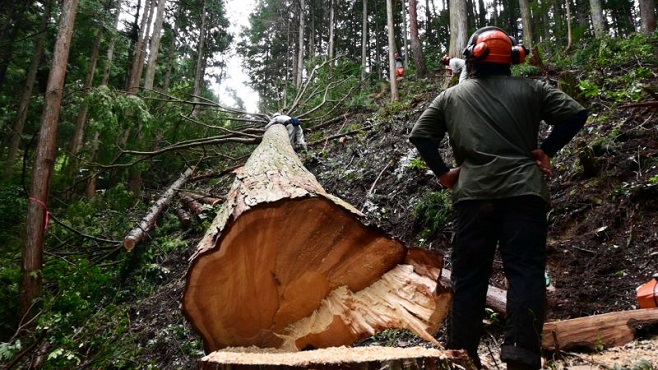
With the damage caused by natural disasters continuing to increase, governments and financial institutions are looking for new mechanisms to develop resilience infrastructure and protect communities. In Japan, a lot of the seawalls, revetments and other disaster mitigation infrastructure were constructed during the economic boom of the 80s and 90s, and are deteriorating with age. Maintenance will require substantial financial resources, beyond what many local governments can handle. New finance mechanisms and long-term management plans are critical to the continued health and well-being of local communities.
In 2025, Tokio Marine & Nichido Fire (TMNF) responded to this challenge through a new type of resilience bond designated for flood control projects. The bond is structured to take into account the expected benefits of infrastructure development and disaster prevention and mitigation. We talked to representatives of the Global Investment and Financial Planning Departments at Tokio Marine Holdings about the rationale behind these bonds, and their practical deployment in Mie Prefecture.
Disaster prevention through asset management
In a conventional municipal bond, local governments can use the funds they raise for whatever projects they see fit. Resilience bonds, on the other hand, are earmarked for disaster prevention and mitigation projects.
“For insurance companies like ours, these bonds are interesting for their ability to address specific disaster risks by funding measures like flood control, which can lower future insurance claim costs,” explained Mami Yoshimoto of the Global Investment Department. “For local governments, the bonds offer an opportunity to raise funds at a low interest rate.”

In October 2025, Tokio Marine & Nichido Fire (TMNF), Tokio Marine’s largest Japanese subsidiary, decided to invest 1.5 billion yen in the Flooding Resilience Bond issued by the City of Yokohama and 2.0 billion yen in the Mie Green Bond (Flood Resilience Framework) issued by Mie Prefecture.
High benefits despite low interest
When deciding where to invest, the deciding factor for most investors is yield. Green bonds, designed to mitigate environmental and disaster risk, tend to offer lower yields than conventional bonds, and rely on demand driven by ESG considerations. The Mie Green Bond, developed for flood resilience in Mie Prefecture, offered an interest rate of 1.734%, even lower than a typical 10-year green bond. The decision of TMNF to invest stems not from the bond itself, but a more holistic view of its long-term benefits.
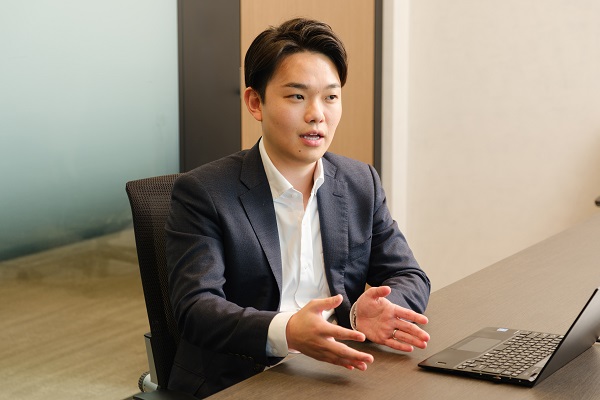
Insurance is a form of social infrastructure, protecting societies in times of need and accelerating progress toward a more resilient and affluent society. “When we think of how to deliver value, we need to look beyond financial compensation by paying insurance claims,” explains Masaki Nishiyama of the Financial Planning Department. “We can play a role in preventing and mitigating risks before disasters occur, as well as rapid recovery and preventing recurrence post-disaster. Our investment in Mie Prefecture stems from the logic that infrastructure development will mitigate future disasters, which will contribute to reducing losses from customers and insurance payouts in the medium to long term.”
While part of the reason the bond was considered had to do with the opportunity to solve a social issue, that wasn’t the whole picture. As a publicly traded company, Tokio Marine has a responsibility toward its shareholders, so the decision to invest had to be grounded in sound financial logic. Experts conducted quantitative simulations to estimate the potential reduction in insurance claim payments based on data published by local governments. They determined that the boost in long-term business profit through investments in these bonds outweighed the opportunity cost of the low yield. The initiative exemplifies how insurance can reconcile financial and societal interests to build resilience and stimulate long-term growth.
Investment built on dialogue
The project kicked off in January 2025. TMNF used flood risk data to identify regions where mitigation measures were most urgently needed. Mie Prefecture’s exposure to storm risk has earned it the nickname of “Typhoon Ginza,” Ginza being an area in Tokyo famous for its high density and foot traffic. Typhoons frequently cross the Kii Peninsula into Mie, and in September 2025, Yokkaichi City was hit by 123.5mm of rain in a single hour: the highest amount ever recorded.
From the government side, Takafumi Nagai of the Finance Section in the Mie Prefectural Government Office’s General Affairs Department helped drive this project forward.
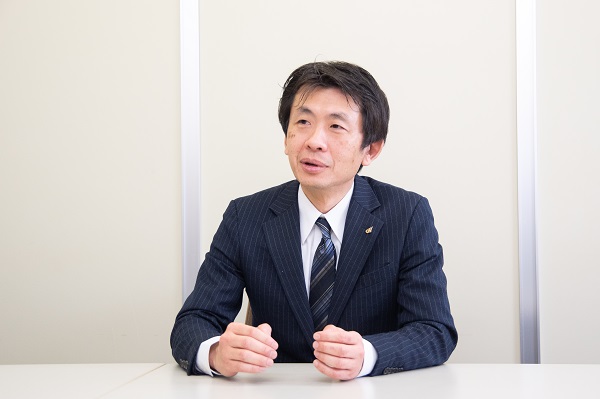
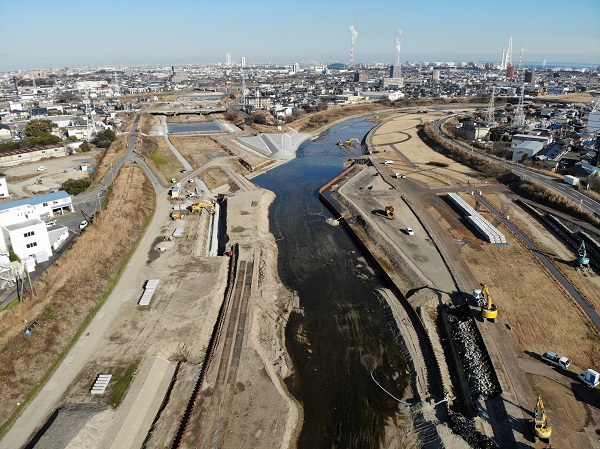
“One of the most visible improvement measures is being carried out along the Mitaki-Shinkawa River in Yokkaichi,” said Takafumi. “We are developing the Mitaki-Shinkawa channel to divert part of the floodwaters from the Mitaki River into the Kaizo River so that we can reduce the risk of flooding within the water basin.”
The response from local governments, however, was not universally receptive. Over the course of repeated visits and discussions, Tokio Marine gradually built a relationship with concerned communities and conducted in-person inspections of infrastructure development sites. “In Mie Prefecture, some of the coastline improvement projects target areas over 100 kilometers long,” recalled Mami. “The data doesn’t paint a full picture. You have to see the size of the flood prevention infrastructure firsthand.”
Officials at the Department of Prefectural Land Development ultimately ran simulations of how much more rainfall the project could handle. Disaster mitigation was shown to be effective on the scale of a once-every-50-years storm, even when taking into account the impacts of climate change. The estimated benefits are proportional to the project’s scale. Upon completion, approximately 1,700 households will see a significantly reduced risk of flood damage.
A springboard for sustainability
The collaboration between Tokio Marine and Mie Prefecture extends beyond resilience bonds. They have hosted a series of joint disaster prevention seminars, and in 2021, signed a partnership agreement on realizing the SDGs.

For Tokio Marine, the collaboration presents an opportunity to leverage its wealth of data in serve of helping a local government tackle a pressing social issue. Resilience is a strategic priority as we aim to reduce the protection gap and ensure the sustainability of the customers and societies that we serve. Our organization is in a period of transition, as we increasingly seek to complement our core insurance services with solutions and investments, with the aim of becoming a more holistic risk solutions company.
“I found it very meaningful that we are shining a spotlight on the municipal bond market,” said Mami. “I encourage more investors to look into frameworks where funds can be channeled into disaster prevention measures.”
For TMNF especially, the success of the Mie project will serve as a springboard for expanding investments into earmarked green bonds, as well as for new sustainability initiatives more broadly. The future of the industry will require greater synergies between insurance, investments and other resilience-building measures. By focusing our efforts on resilience, we strive to bring forward a brighter future for disaster-prone Japan, and for societies around the world.
-
*The information in this article is current as of time of the interview in February 2026.